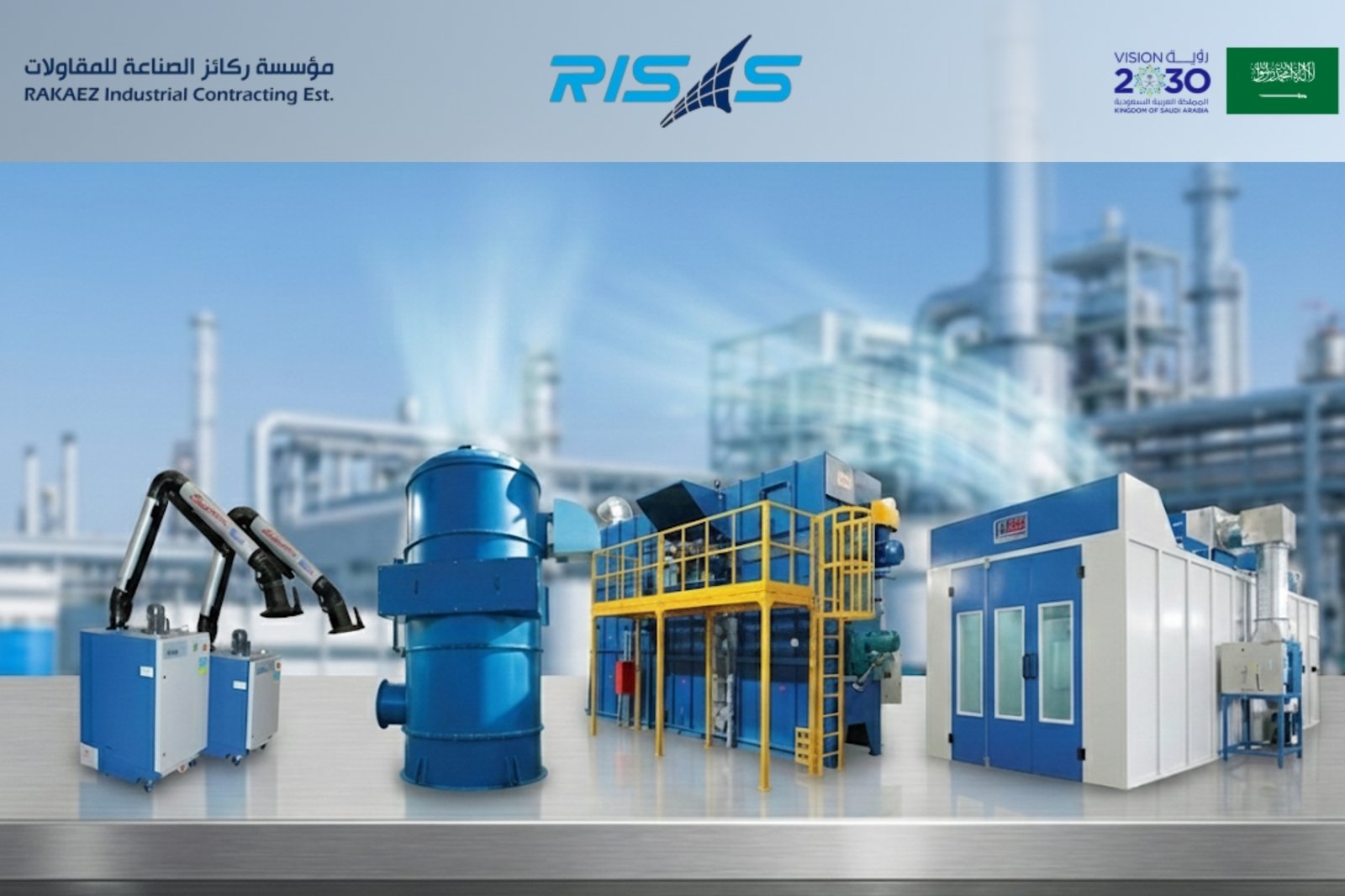
Industrial activities such as manufacturing, power generation, chemical processing, metal fabrication, and material handling generate harmful air pollutants including dust, fumes, mist, and volatile organic compounds (VOCs). Without proper control, these emissions pose serious risks to worker health, environmental safety, and regulatory compliance.
An effective Air Pollution Control System is essential for capturing, treating, and reducing airborne contaminants, ensuring cleaner air and safer industrial operations.
What Is an Air Pollution Control System?
An Air Pollution Control System is an engineered solution designed to remove harmful pollutants from industrial exhaust air before it is released into the workplace or atmosphere. These systems are customized based on the type of pollutant, process conditions, and emission levels.
They play a critical role in maintaining air quality, protecting workers, preserving equipment, and meeting environmental regulations.
Why Air Pollution Control Is Essential for Industries
Uncontrolled air pollution can result in:
- Health hazards for workers due to inhalation of harmful pollutants
- Fire and explosion risks caused by combustible dust or vapors
- Environmental damage and regulatory violations
- Equipment contamination and reduced operational efficiency
- Legal penalties, fines, and production shutdowns
Air pollution control systems help industries mitigate these risks while promoting sustainable and responsible operations.
How Air Pollution Control Systems Work
Air pollution control systems operate through a structured process:
1. Pollutant Capture
Polluted air is captured at the source using extraction hoods, enclosures, or ducting systems.
2. Air Conveyance
The contaminated air is transported through ductwork using industrial fans and blowers.
3. Filtration and Treatment
Pollutants are removed using appropriate technologies such as filters, scrubbers, separators, or oxidizers.
4. Clean Air Discharge
Treated air is released back into the environment in compliance with air quality standards.
5. Waste Collection
Captured pollutants are safely collected for disposal or recycling.
Types of Air Pollution Control Systems
Dust Control Systems
Designed to capture and filter dust generated from material handling, grinding, cutting, and processing operations.
Fume Extraction Systems
Remove harmful fumes from welding, chemical processing, and thermal operations.
Oil Mist Filtration Systems
Capture mist and aerosols generated during machining and metalworking processes.
VOC Control Systems
Control volatile organic compounds using scrubbers, activated carbon filters, thermal oxidizers, and bio-filtration systems.
Wet Scrubbers
Use liquid media to remove gases, vapors, and fine particulate matter from exhaust air.
Key Benefits of Air Pollution Control Systems
Installing an effective air pollution control system provides numerous advantages:
- Improved workplace air quality
- Enhanced worker health and safety
- Reduced environmental impact
- Compliance with environmental regulations
- Lower fire and explosion risks
- Improved equipment performance and longevity
- Increased operational efficiency
Industries That Require Air Pollution Control Systems
Air pollution control systems are widely used across industries, including:
- Manufacturing and industrial processing
- Oil & gas and petrochemicals
- Power generation plants
- Chemical and pharmaceutical industries
- Metalworking and fabrication
- Mining and mineral processing
- Automotive and heavy engineering
Each industry requires a custom-engineered solution based on emission characteristics and process requirements.
Choosing the Right Air Pollution Control System
Selecting the right system depends on several factors:
- Type of pollutant (dust, fumes, mist, VOCs)
- Particle size and chemical composition
- Airflow volume and temperature
- Environmental and safety regulations
- Process layout and operational conditions
Working with experienced engineering partners ensures the system is properly designed, installed, and optimized for long-term performance.
Conclusion
An Air Pollution Control System is a vital investment for industries seeking safe operations, regulatory compliance, and environmental responsibility. By effectively capturing and treating airborne pollutants, these systems protect workers, improve air quality, and support sustainable industrial growth.
Modern industrial facilities cannot operate responsibly without reliable air pollution control solutions.
Call to Action
Looking for customized air pollution control solutions for your industrial facility?
RISAS provides engineered air pollution control systems designed to meet your process, safety, and compliance requirements.
📞 Phone: +966 13 667 7533
📧 Email: info@risas.sa