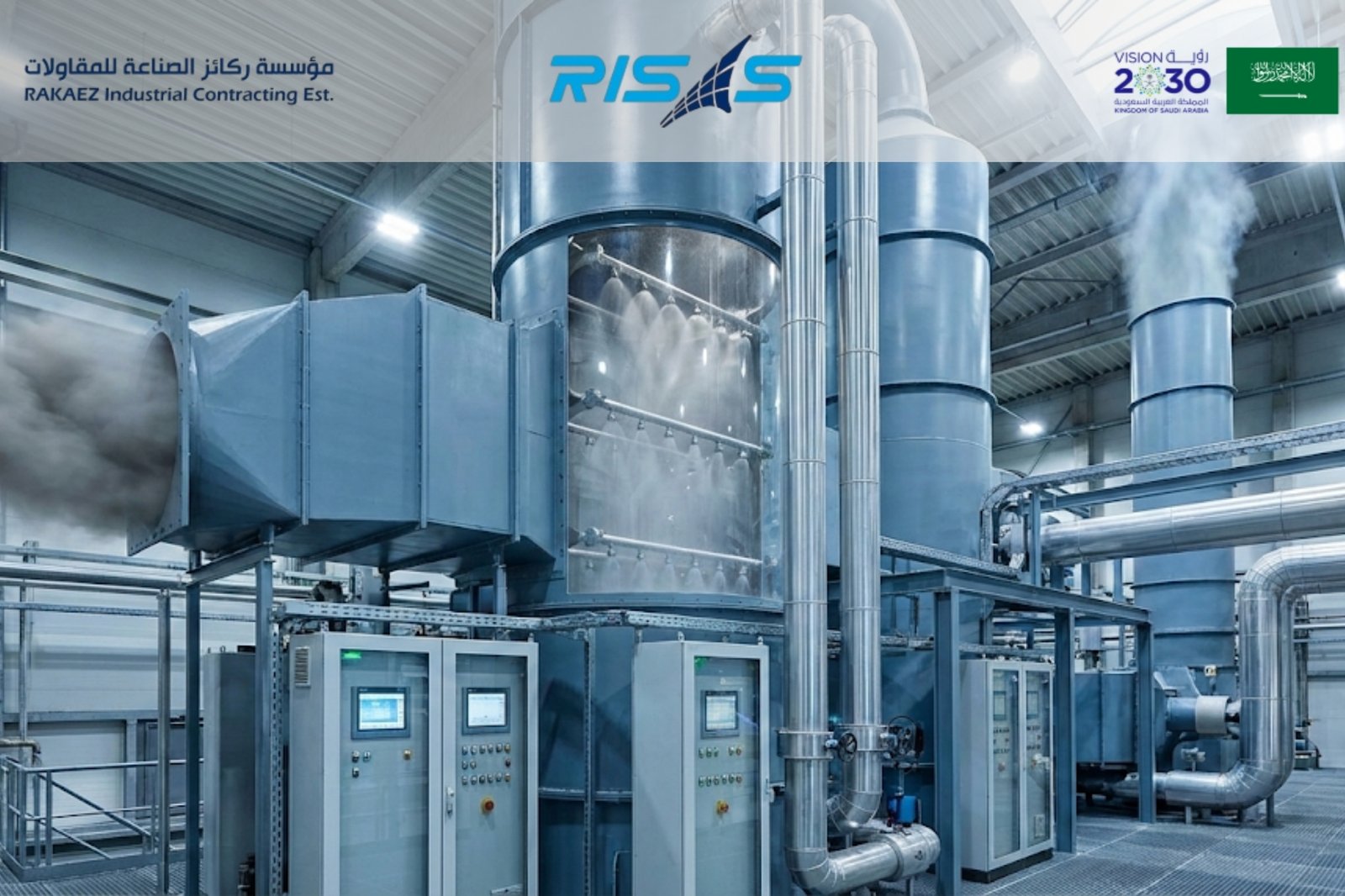
Industrial facilities across sectors such as power generation, oil & gas, chemical processing, manufacturing, and metal industries face increasing pressure to control emissions while keeping operational costs low. One of the most effective and proven solutions for managing gaseous pollutants, fumes, and particulate matter is the Wet Scrubber System.
Beyond emission control, modern wet scrubber systems play a critical role in reducing operating costs and improving energy efficiency, making them a smart long-term investment for industrial air pollution control.
What Is a Wet Scrubber System?
A Wet Scrubber System is an air pollution control device that removes pollutants from exhaust gas streams by using liquid—typically water or a chemical solution. The polluted gas comes into contact with the scrubbing liquid, allowing harmful particles and gases to be absorbed, neutralized, or captured before clean air is released.
Wet scrubbers are highly effective in controlling:
- Acidic gases
- Chemical fumes
- Fine dust and particulates
- Toxic and corrosive emissions
Why Operating Cost Reduction Matters
Industrial air pollution control systems often operate continuously, making energy consumption, maintenance, and downtime major cost drivers. Wet scrubber systems are designed to address these challenges through optimized airflow, efficient pollutant capture, and low system resistance.
When properly engineered, wet scrubbers help facilities significantly reduce total cost of ownership.
How Wet Scrubber Systems Reduce Operating Costs
1. Lower Energy Consumption
Wet scrubbers typically operate at lower pressure drops compared to dry filtration systems. Reduced resistance means:
- Lower fan power requirements
- Reduced electricity consumption
- Improved system efficiency
This directly translates into lower energy bills over long-term operation.
2. Minimal Filter Replacement Costs
Unlike dry dust collectors that rely on fabric bags or cartridges, wet scrubbers:
- Do not require frequent filter replacements
- Reduce consumable costs
- Minimize inventory and spare parts expenses
This makes wet scrubbers especially cost-effective for continuous industrial processes.
3. Reduced Maintenance and Downtime
Wet scrubber systems have fewer moving parts and simpler mechanical designs. This results in:
- Lower maintenance frequency
- Reduced risk of system blockage
- Shorter shutdown periods
Consistent uptime leads to improved productivity and operational stability.
4. Longer Equipment Life
By capturing corrosive gases and fine particulates before they reach downstream equipment, wet scrubbers help:
- Protect ducting and fans
- Reduce corrosion and erosion
- Extend the lifespan of plant equipment
This lowers long-term capital replacement costs.
How Wet Scrubber Systems Improve Energy Efficiency
Efficient Pollutant Removal
Wet scrubbers achieve high removal efficiency for both gases and particulates in a single system, eliminating the need for multiple air pollution control units.
Optimized Airflow Design
Modern wet scrubber systems are engineered with:
- Optimized gas-liquid contact
- Controlled airflow velocities
- Balanced pressure distribution
This ensures maximum pollutant capture with minimal energy input.
Adaptability to Process Conditions
Wet scrubbers can efficiently handle:
- High-temperature gas streams
- Variable airflow volumes
- Moist or sticky pollutants
Their adaptability reduces the need for energy-intensive pre-treatment systems.
Types of Wet Scrubber Systems
Depending on application requirements, wet scrubbers are available in various designs, including:
- Venturi Scrubbers – Ideal for fine particulate removal
- Packed Bed Scrubbers – Effective for gas absorption and chemical neutralization
- Spray Tower Scrubbers – Suitable for large gas volumes
- Cyclonic Wet Scrubbers – Combine centrifugal force with liquid scrubbing
Each design is selected based on pollutant type, efficiency requirements, and energy optimization goals.
Industries That Benefit from Wet Scrubber Systems
Wet scrubber systems are widely used in:
- Power generation plants
- Oil & gas facilities
- Chemical and petrochemical industries
- Metal processing and foundries
- Fertilizer and pharmaceutical plants
- Waste treatment and incineration units
These industries benefit from both environmental compliance and operational cost savings.
Environmental and Regulatory Advantages
Wet scrubber systems help industries:
- Meet emission regulations
- Control hazardous gases safely
- Improve workplace air quality
- Demonstrate environmental responsibility
Compliance achieved through efficient systems also prevents penalties and production disruptions.
Why Wet Scrubber Systems Are a Smart Investment
By combining high pollutant removal efficiency, low energy consumption, and reduced maintenance costs, wet scrubber systems offer a strong return on investment. Their ability to handle complex and variable industrial emissions makes them one of the most reliable solutions for cost-effective air pollution control.
Conclusion
Wet scrubber systems are more than just emission control devices—they are energy-efficient, cost-saving solutions for modern industrial operations. By reducing power consumption, minimizing maintenance needs, and extending equipment life, wet scrubbers help industries achieve environmental compliance without compromising operational efficiency.
Investing in a properly designed wet scrubber system ensures long-term savings, improved energy performance, and sustainable industrial growth.
Call to Action
Looking for energy-efficient and cost-effective wet scrubber solutions for your facility?
RISAS provides engineered air pollution control systems designed to meet your operational, safety, and regulatory requirements.
📞 Phone: +966 13 667 7533
📧 Email: info@risas.sa