Industrial facilities across sectors such as manufacturing, power generation, oil & gas, chemical processing, and metal industries face increasing pressure to control air emissions while maintaining operational efficiency. Among the most reliable and cost-effective solutions for managing industrial air pollutants are Wet Scrubber Systems.
Wet scrubbers not only deliver high removal efficiency for harmful gases and particulates but also offer long-term operational savings, making them a preferred choice for modern air pollution control strategies.
What Are Wet Scrubber Systems?
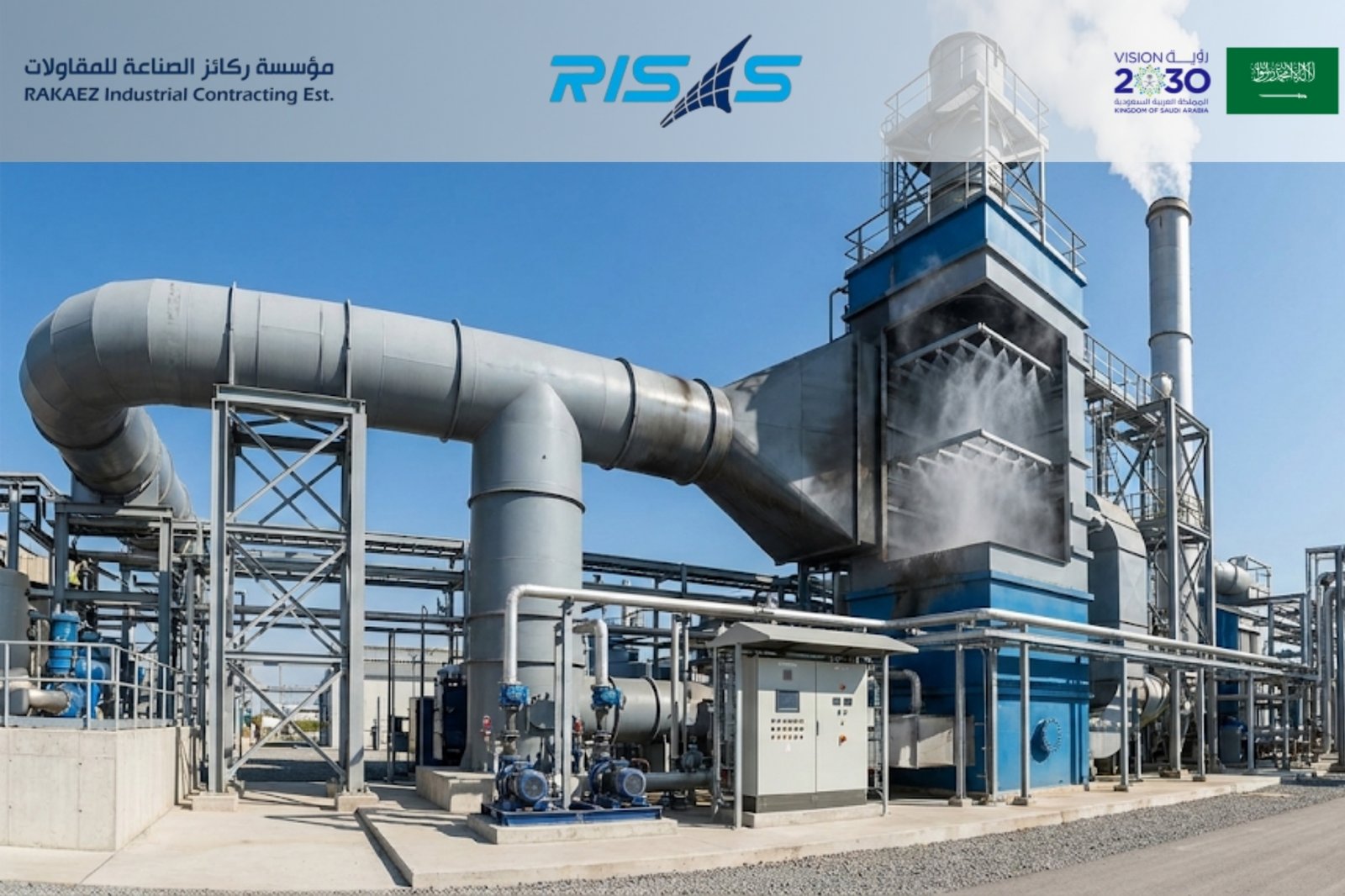
Wet Scrubber Systems are air pollution control devices that remove contaminants from industrial exhaust gases using a liquid medium, typically water or a chemical solution. As polluted gas passes through the system, contaminants are absorbed, neutralized, or captured by the scrubbing liquid before clean air is released.
Wet scrubbers are especially effective in controlling:
- Acidic and corrosive gases
- Chemical fumes
- Fine dust and particulates
- Toxic vapors and odors
Why Cost-Effective Air Pollution Control Matters
Air pollution control systems often operate continuously, contributing to energy consumption, maintenance costs, and operational expenses. Choosing a cost-effective system helps industries:
- Reduce energy usage
- Minimize maintenance requirements
- Avoid regulatory penalties
- Improve long-term return on investment
Wet scrubber systems are designed to balance performance, reliability, and cost efficiency.
How Wet Scrubber Systems Reduce Operational Costs
Lower Energy Consumption
Wet scrubbers typically operate at lower pressure drops compared to some dry filtration systems. Reduced airflow resistance means:
- Lower fan power requirements
- Reduced electricity consumption
- Improved energy efficiency
Minimal Consumable Costs
Unlike bag filters or cartridge systems, wet scrubbers do not rely on frequent filter replacements. This significantly reduces:
- Consumable expenses
- Spare parts inventory
- Maintenance labor costs
Reduced Maintenance and Downtime
Wet scrubbers feature simple mechanical designs with fewer components subject to wear. This leads to:
- Lower maintenance frequency
- Reduced downtime
- Improved system reliability
Extended Equipment Life
By capturing corrosive and abrasive pollutants early, wet scrubbers protect downstream equipment, reducing corrosion and extending service life.
Types of Wet Scrubber Systems
Different wet scrubber designs are available to suit various industrial applications:
Venturi Scrubbers
Highly effective for removing fine particulate matter using high-velocity gas streams.
Packed Bed Scrubbers
Ideal for gas absorption and chemical neutralization applications.
Spray Tower Scrubbers
Suitable for large gas volumes with moderate pollutant concentrations.
Cyclonic Wet Scrubbers
Combine centrifugal force with liquid scrubbing for enhanced particulate removal.
Each system is selected based on pollutant type, efficiency requirements, and operational cost optimization.
Applications of Wet Scrubber Systems
Wet scrubber systems are widely used in:
- Power generation plants
- Oil & gas facilities
- Chemical and petrochemical industries
- Metal processing and foundries
- Fertilizer and pharmaceutical plants
- Waste treatment and incineration units
Their versatility makes them suitable for handling variable gas compositions and operating conditions.
Environmental and Regulatory Benefits
Wet scrubber systems help industries meet stringent environmental regulations by:
- Reducing harmful emissions
- Improving workplace air quality
- Supporting environmental compliance
- Minimizing environmental impact
Regulatory compliance achieved through effective air pollution control also prevents fines and production interruptions.
Why Wet Scrubber Systems Are a Smart Investment
Wet scrubbers deliver high pollutant removal efficiency while keeping operating costs low. Their ability to handle corrosive, moist, and high-temperature gases makes them ideal for challenging industrial environments.
With lower energy requirements, reduced maintenance, and long service life, wet scrubber systems offer a strong return on investment for industries seeking cost-effective air pollution control.
Conclusion
Wet Scrubber Systems provide a proven and economical solution for industrial air pollution control. By effectively removing pollutants while minimizing energy consumption and maintenance costs, these systems help industries achieve environmental compliance without compromising operational efficiency.
Investing in a well-designed wet scrubber system ensures cleaner air, safer operations, and sustainable industrial growth.
Call to Action
Looking for cost-effective wet scrubber solutions for your industrial facility?
RISAS offers engineered air pollution control systems tailored to meet your operational, environmental, and regulatory requirements.
📞 Phone: +966 13 667 7533
📧 Email: info@risas.sa